High-silica or E-glass cloth: which should I use for welding blankets, heat shields and fire curtains?
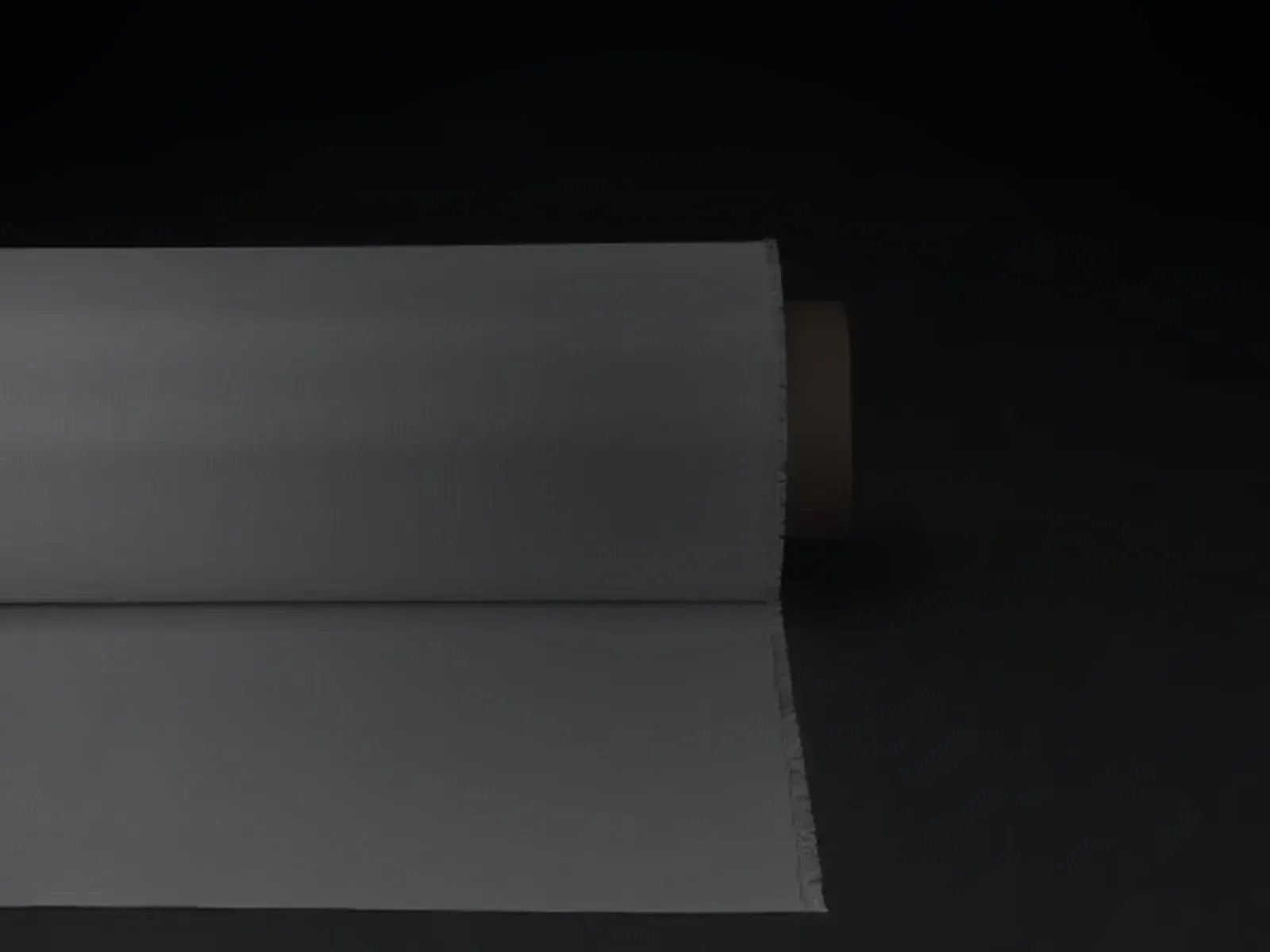
Pick by the hottest temperature the cloth will see. E-glass cloth such as EW140-100 does not burn and works up to 540 °C (1,000 °F)[1], which covers most welding spatter protection, pipe lagging and general heat shielding. High-silica cloth, with more than 96% SiO₂, works continuously at 900 °C, survives 1,450 °C for 10 minutes and softens only at 1,700 °C[2], for molten metal splash, furnace curtains and fire barriers.
How do the two cloths compare?
| E-glass cloth EW140-100 | High-silica cloth 320 g | |
|---|---|---|
| Fiber | E-glass yarn, plain weave[1] | silica fiber, more than 96% SiO₂[2] |
| Burns? | no[1] | no (inorganic fiber)[2] |
| Working temperature | up to 540 °C[1] | 900 °C long-term[2] |
| Short exposure | — | 1,450 °C for 10 min; 1,600 °C for 15 s[2] |
| Softening point | — | 1,700 °C[2] |
| Coating | — | can be coated to customer requirement[2] |
| Price | lower | higher |
Temperature figures (°C)
Which cloth for which job?
| Application | Typical heat | Choose |
|---|---|---|
| Light welding and grinding spatter | sparks, short contact | E-glass cloth (coated for abrasion if needed) |
| Pipe and exhaust insulation covers | up to a few hundred °C | E-glass cloth |
| Heavy welding, cutting, slag | hot slag, longer contact | high-silica cloth |
| Furnace and foundry curtains, molten metal splash | 900 °C and above | high-silica cloth |
| Fire curtains and fire barriers | flame exposure for minutes | high-silica cloth, tested to your fire standard |
Why not carbon fiber?
Carbon fiber laminates are limited by their epoxy resin, which softens at 100–130 °C, and carbon conducts electricity. For heat and fire protection, glass and silica cloth are the right materials. See carbon fiber temperature limits.
What to send
Working temperature and exposure time, cloth weight and width, coating, roll length and quantity. Use the quote form, or see the high-temperature silica cloth and EW140 fiberglass cloth pages.
Sources
- Fiberglass cloth EW140-100: plain-woven Type E fiberglass yarn; will not burn; for temperatures up to 1,000 °F (540 °C)
- High temperature silica cloth 320 g: silica fiber, more than 96% SiO₂; softening point 1,700 °C; long-term 900 °C; 10 minutes at 1,450 °C; 15 seconds at 1,600 °C; coating to customer requirement