Which fiberglass chopped strand mat should I order: what weight, and powder or emulsion binder?
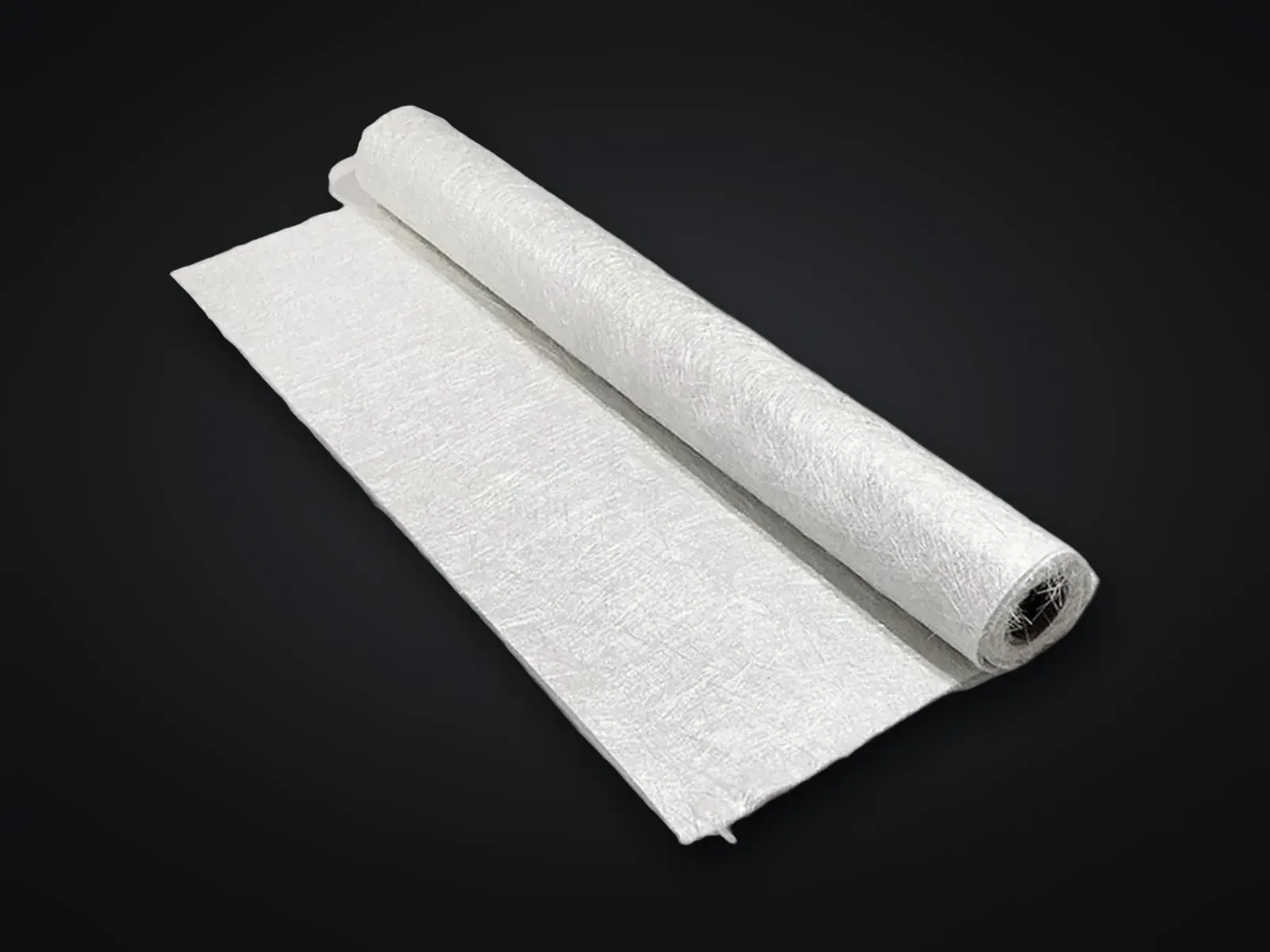
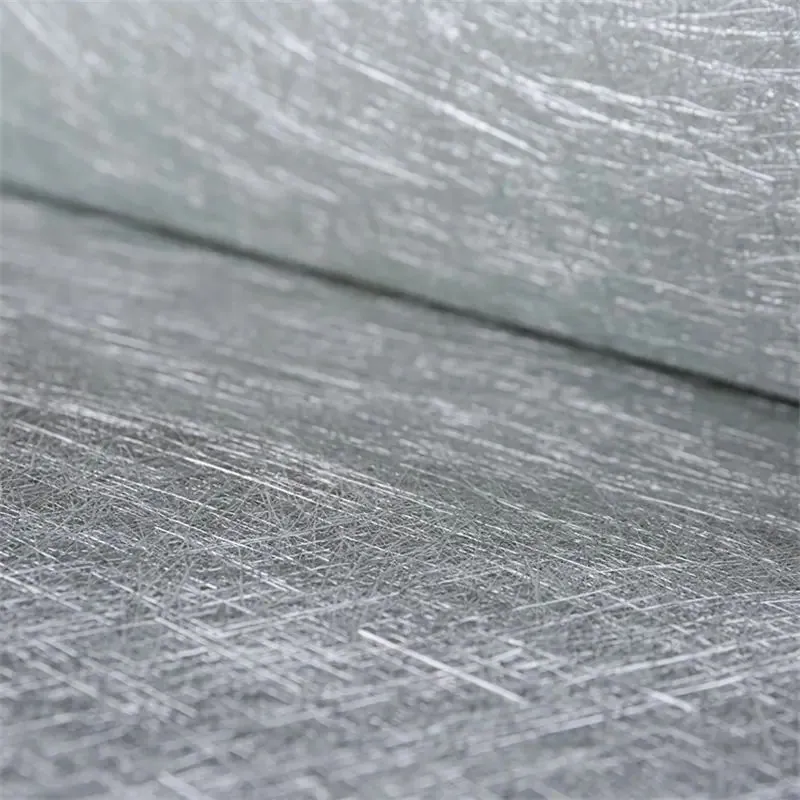
Order chopped strand mat by four things: unit weight, binder type, roll width and roll weight. Chopped strand mat is a non-woven reinforcement of randomly oriented chopped glass fibers held together by a binder[1], used for boat hulls, automotive parts and construction materials[2]. Zbcarbon’s EMC range runs from 100 to 900 g/m²[3].
What weights are available?
| Code | Unit weight (g/m²) |
|---|---|
| EMC100 | 100 ± 20 |
| EMC150 | 150 ± 20 |
| EMC200 | 200 ± 20 |
| EMC250 | 250 ± 20 |
| EMC300 | 300 ± 20 |
| EMC450 | 450 ± 20 |
| EMC600 | 600 ± 20 |
| EMC900 | 900 ± 20 |
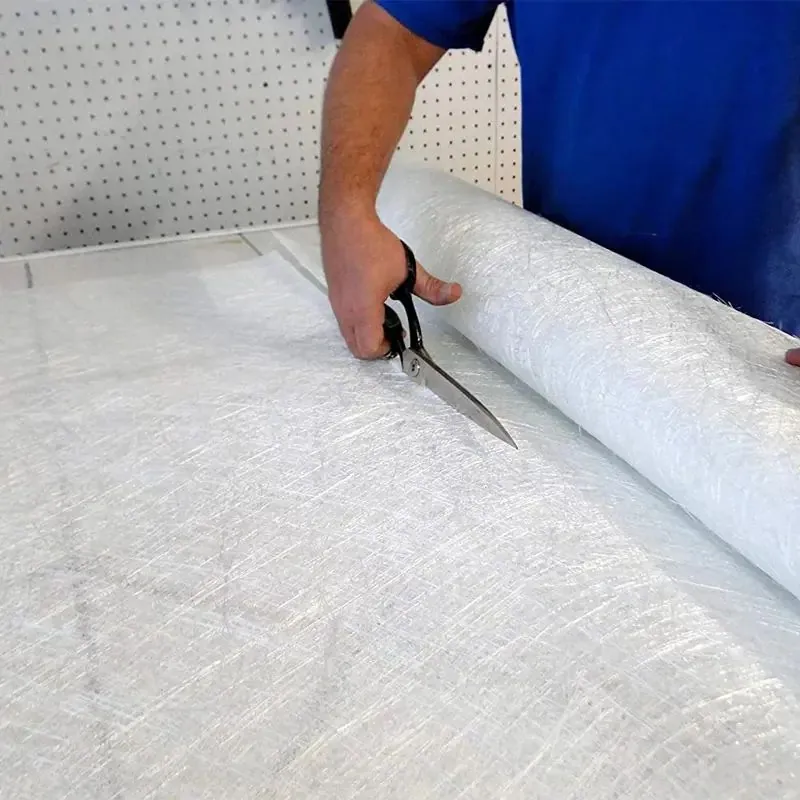
All codes are E/C glass, 1040 to 1270 mm wide, on rolls of 30 to 50 kg[4].
How do I choose the weight?
Lighter mats (100 to 300 g/m²) lay into curves and corners and give a smooth surface layer. The 300 and 450 g/m² mats are the common choice for building thickness in hand lay-up. Heavier mats (600 and 900 g/m²) build thickness with fewer layers on flat, simple parts. Your laminate schedule or engineer should give the total glass weight; divide it into layers that your team can wet out properly.
| Weight (g/m²) | Typical use |
|---|---|
| 100–300 | curves, corners and a smooth surface layer |
| 300–450 | building thickness in hand lay-up |
| 600–900 | thickness with fewer layers on flat, simple areas |
Powder or emulsion binder?
Both hold the chopped strands together until the resin dissolves the binder, and both are listed at 2 to 6% binder content[5].
- Powder-bound mat is made with a powder binder[6]. It wets out fast and handles easily[7]. Choose it where a fast, even wet-out matters.
- Emulsion-bound mat is made with a liquid emulsion binder[8]. Which one suits your laminate depends on your resin and process.
If you are not sure, tell us your resin and process and we will send samples of both.
What moisture should the mat have?
Moisture is listed at under 0.2 to 0.3%[4]. Store rolls dry and in their packaging, because damp mat wets out badly and can leave dry spots.
When is a stitched mat better?
If your process has no time for the binder to dissolve, or you use a resin that does not dissolve it, use a stitched mat instead. Stitch-bonded chopped strand mat is held by polyester stitching, is binder-free and suits many resin systems[9]. It is recommended for extrusion or fixed-length winding processes and for panel production[10]. The EKM range runs from 209.5 to 909.5 g/m² in total weight[11].
Order checklist
- Code or unit weight in g/m², with tolerance.
- Binder type: powder or emulsion (or stitched).
- Roll width in mm and roll weight in kg.
- Resin system and process.
- Quantity and packing.
Send your order details through the quote form, or compare the powder mat, the emulsion mat and the stitched mat.
Sources
- Composed of randomly oriented chopped glass fibers bonded together with a binder
- Used in boat hulls, automotive components and construction materials
- EMC100 to EMC900, 100 to 900 g/m² ±20
- E/C glass; width 1040–1270 mm; roll weight 30–50 kg; moisture <0.2–0.3%
- Binder content: 2–6%
- Non-woven reinforcement made of chopped glass fibers and a powder binder
- Ease of handling, faster wet-out
- Nonwoven reinforcement made of short strands of glass fibers and a binder (emulsion)
- Feature: binder-free, suitable for a variety of resin systems
- Recommended for extrusion or fixed-length winding processes and various plate production
- EKM200: 209.5 g/m²; EKM900: 909.5 g/m²