
How do I cure carbon fiber prepreg, and which resin system should I choose?
Our carbon fiber prepregs use medium-temperature epoxy systems that cure between 120 and 150 °C. A typical autoclave cycle is 90 °C for 60 minutes, then 125 °C for 120 minutes at 0.6 MPa, heating at 1–3 °C per minute. In a heated press, 145 °C for 60 minutes at 1.0 MPa[1]. Choose the resin system by the glass transition temperature (Tg) your part needs and the process you run.
Which resin system fits my part?
| System (prepreg) | Fiber | Tg (°C) | Resin content | Laminate 0° tensile (MPa) | ILSS (MPa) | Best for |
|---|---|---|---|---|---|---|
| SYE15001 unidirectional (C200R2824T) | T300 12K | 130 ± 5 | 28 ± 3% | 1,900 | 70 | bicycles, hockey sticks, high-performance sports |
| SYE15001 woven (T200R4024T) | T300 3K | 130 ± 5 | 40 ± 3% | 650 | 63 | visible woven parts |
| SYE15601 toughened woven (T200R4224T) | T300 3K | 100 ± 5 | 42 ± 3% | 750 | 65 | autoclave or compression molding, tough parts |
| SYZ1021R unidirectional (C200Z3624S) | T700 12K | 114 ± 5 | 36 ± 3% | 2,300 | 78 | flame-retardant parts, UL94 V-0 |
| 600 g twill prepreg | 600 g carbon | 100 | 42 ± 2% | — | — | thick parts in fewer plies (0.65 mm per ply) |
Values from each prepreg’s technical data sheet[1][2][3][4][5]. Laminate tests: ASTM D3039 (tensile) and ASTM D2344 (interlaminar shear, ILSS).
Resin glass transition temperature (Tg)
What cure cycle should I start from?
| Process | Cycle | Pressure | Heating rate |
|---|---|---|---|
| Autoclave (SYE15001, SYZ1021R) | room temp → 90 °C, hold 60 min → 125 °C, hold 120 min | 0.2 MPa, then 0.6 MPa | 1–3 °C/min; cool at 1–2 °C/min to 40 °C |
| Autoclave (SYE15601) | 90 °C / 60 min + 125 °C / 120 min | 0.3 / 0.6 MPa | 1–3 °C/min |
| Heated press (SYE15001 UD) | 145 °C / 60 min | 1.0 MPa | 10 °C/min |
| 600 g twill prepreg | 150 °C / 30 min | per process | — |
Sources: prepreg datasheets[1][3][4][5]. Cure time and resin flow depend on part thickness and how fast heat reaches the core, so adjust for thick laminates and confirm with your own test panels.
How do I prepare prepreg before layup?
- Keep prepreg frozen until needed. Shelf life is about 20 days at 25 °C, 3 months below 0 °C and 6 months at −18 °C[1].
- Thaw in the sealed bag for at least 12 hours (8 hours for the 600 g prepreg) until no condensation forms on the bag, then open it[1][5].
- Lay up at 20–30 °C and below 65% relative humidity[1].
- Reseal and refreeze unused material straight away.
Which prepreg grades are standard?
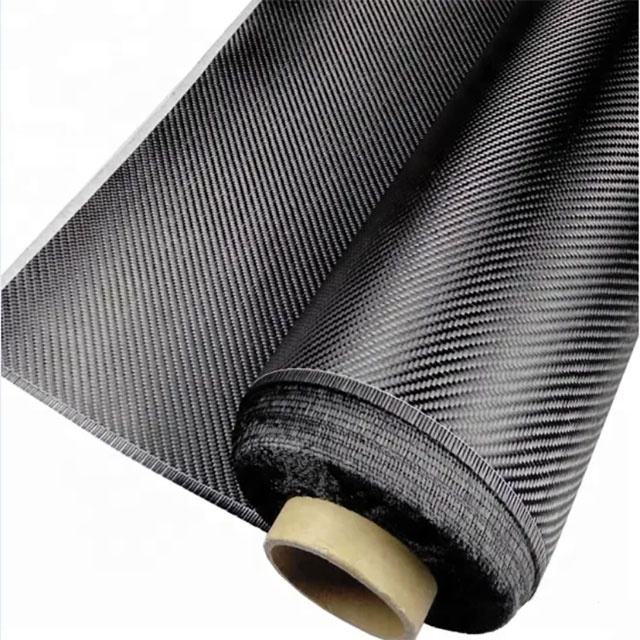
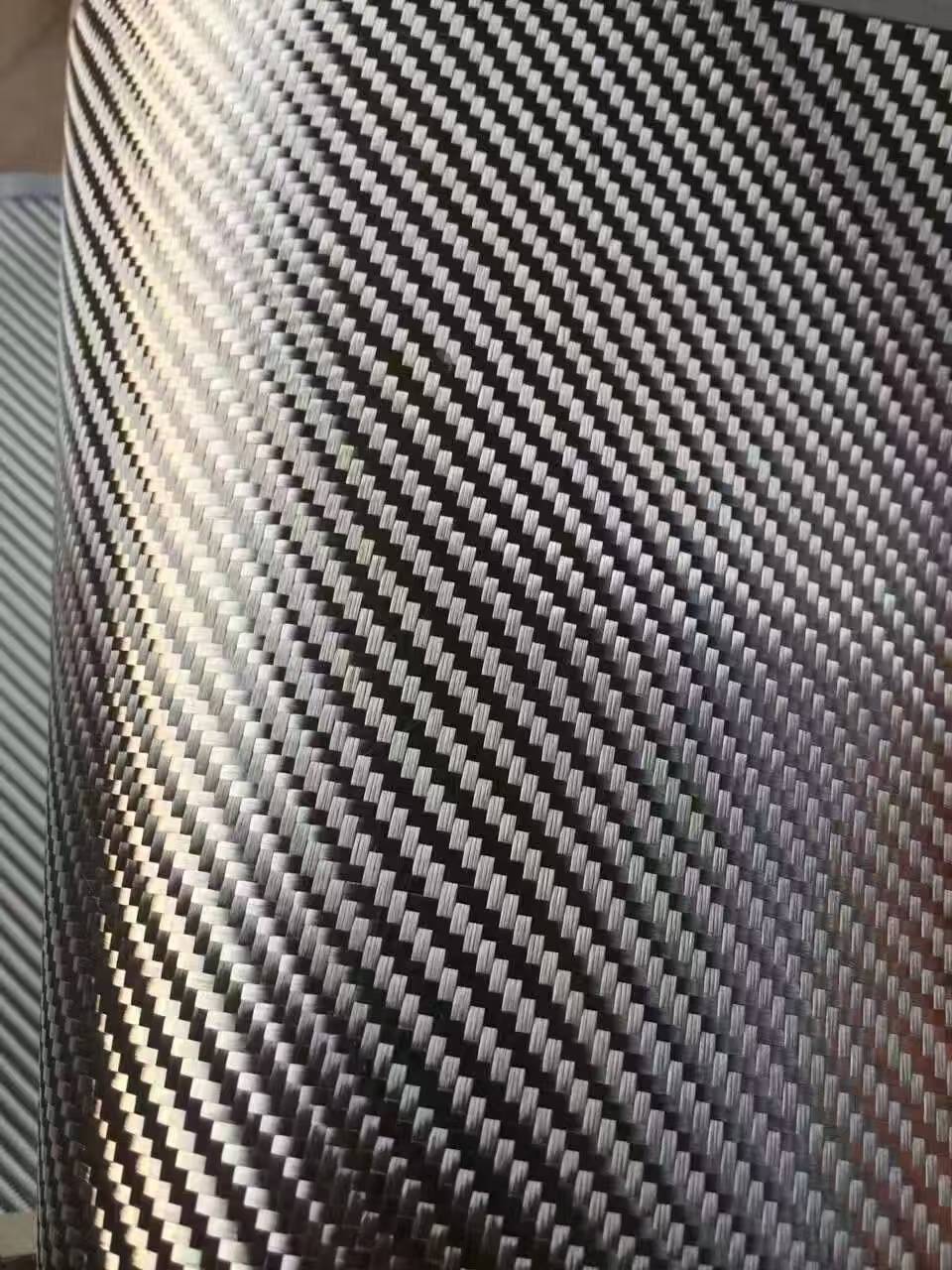
Woven prepreg in our catalogue runs from 200 g/m² 3K (0.2 mm per ply) to 400 g/m² 12K (0.48 mm per ply), plain or twill, at 42% resin[6]. Unidirectional prepreg is made on request. See prepreg or dry fabric for choosing weight and weave.
Send your process, part thickness and service temperature through the quote form and we will send the matching datasheet.
Sources
- Technical data sheet, SYE15001/T300 unidirectional prepreg C200R2824T: Tg 130 ± 5 °C, RC 28 ± 3%, 0° tensile 1,900 MPa, ILSS 70 MPa; autoclave 90 °C/60 min + 125 °C/120 min at 0.6 MPa, press 145 °C/60 min at 1.0 MPa; storage and thawing
- Technical data sheet, SYE15001/T300 woven prepreg T200R4024T: RC 40 ± 3%, 0° tensile 650 MPa, ILSS 63 MPa
- Technical data sheet, SYE15601 woven prepreg T200R4224T: Tg 100 ± 5 °C, RC 42 ± 3%, 0° tensile 750 MPa, ILSS 65 MPa, autoclave at 0.3/0.6 MPa
- Technical data sheet, SYZ1021R/T700 unidirectional prepreg C200Z3624S: flame retardant UL94 V-0, Tg 114 ± 5 °C, RC 36 ± 3%, 0° tensile 2,300 MPa, ILSS 78 MPa
- Technical data sheet, 600 g twill carbon prepreg: Tg 100 °C, RC 42 ± 2%, 0.65 mm per ply, cure 150 °C × 30 min, thaw at least 8 hours
- Carbon fiber prepreg catalogue: P200R4224T to T400R4224T, 200–400 g/m², 42% resin, 0.2–0.48 mm