Biaxial, triaxial or unidirectional: which stitched fiberglass fabric should I use?
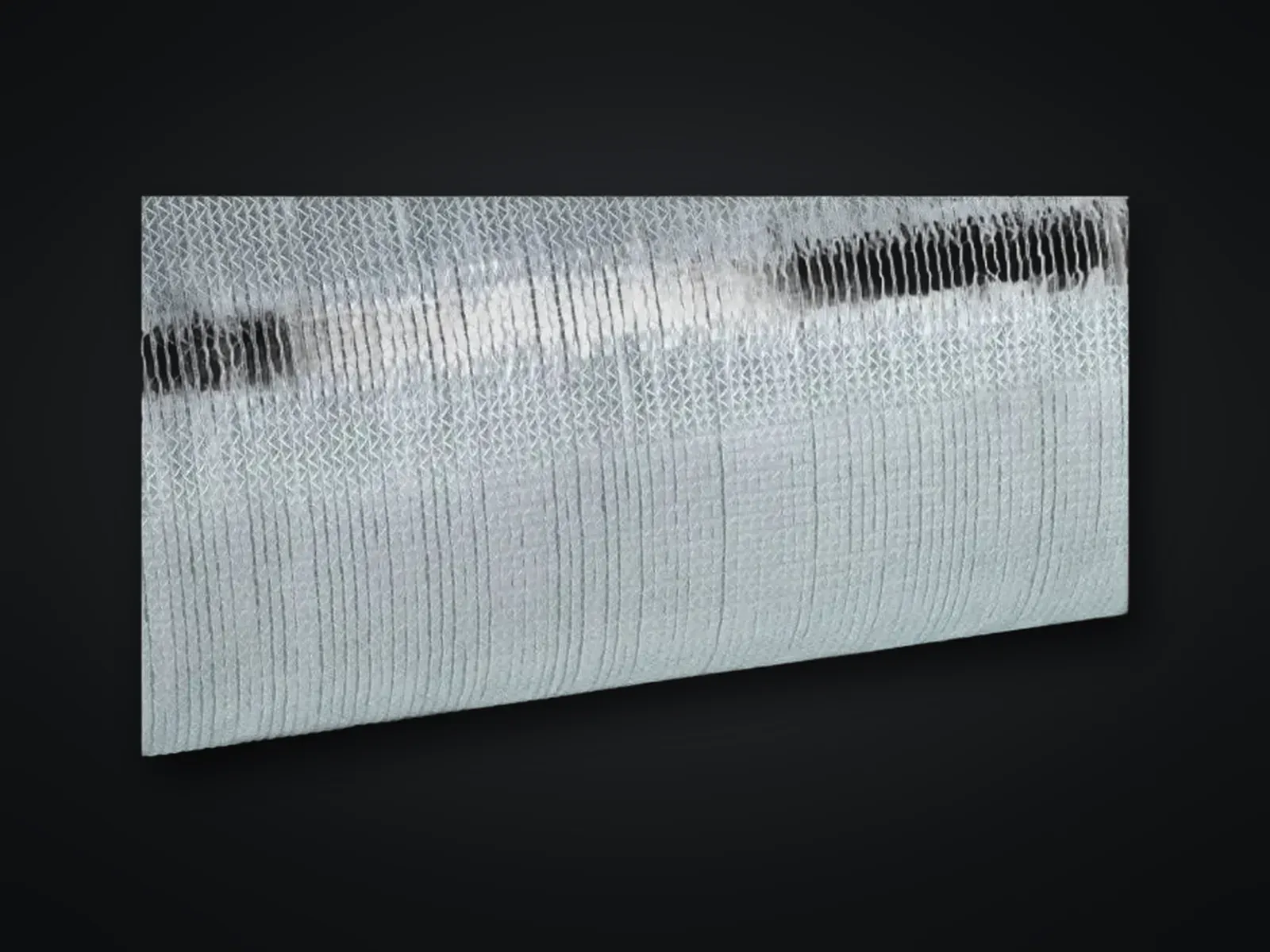
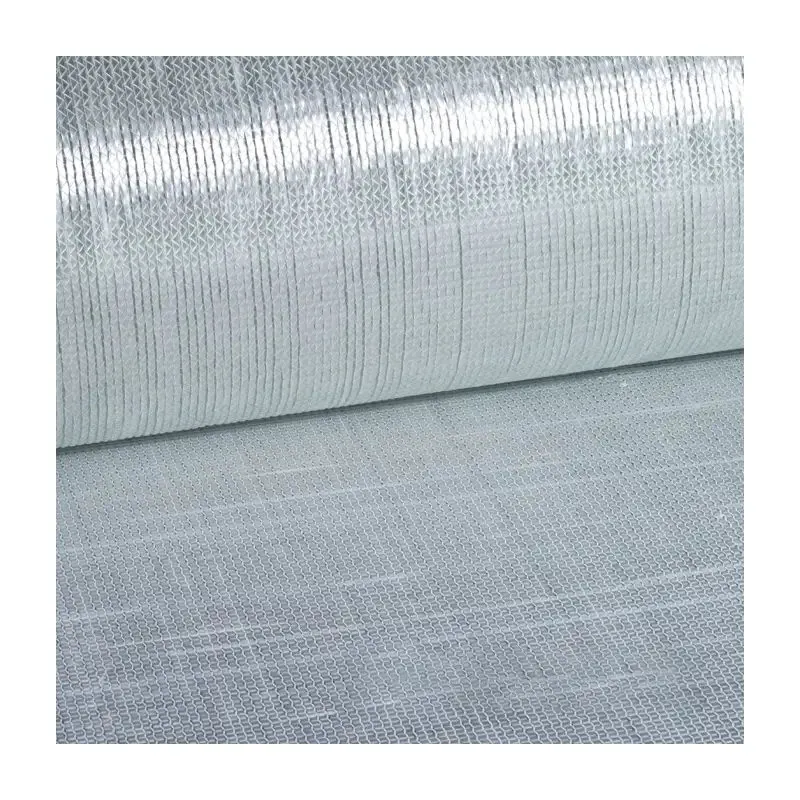
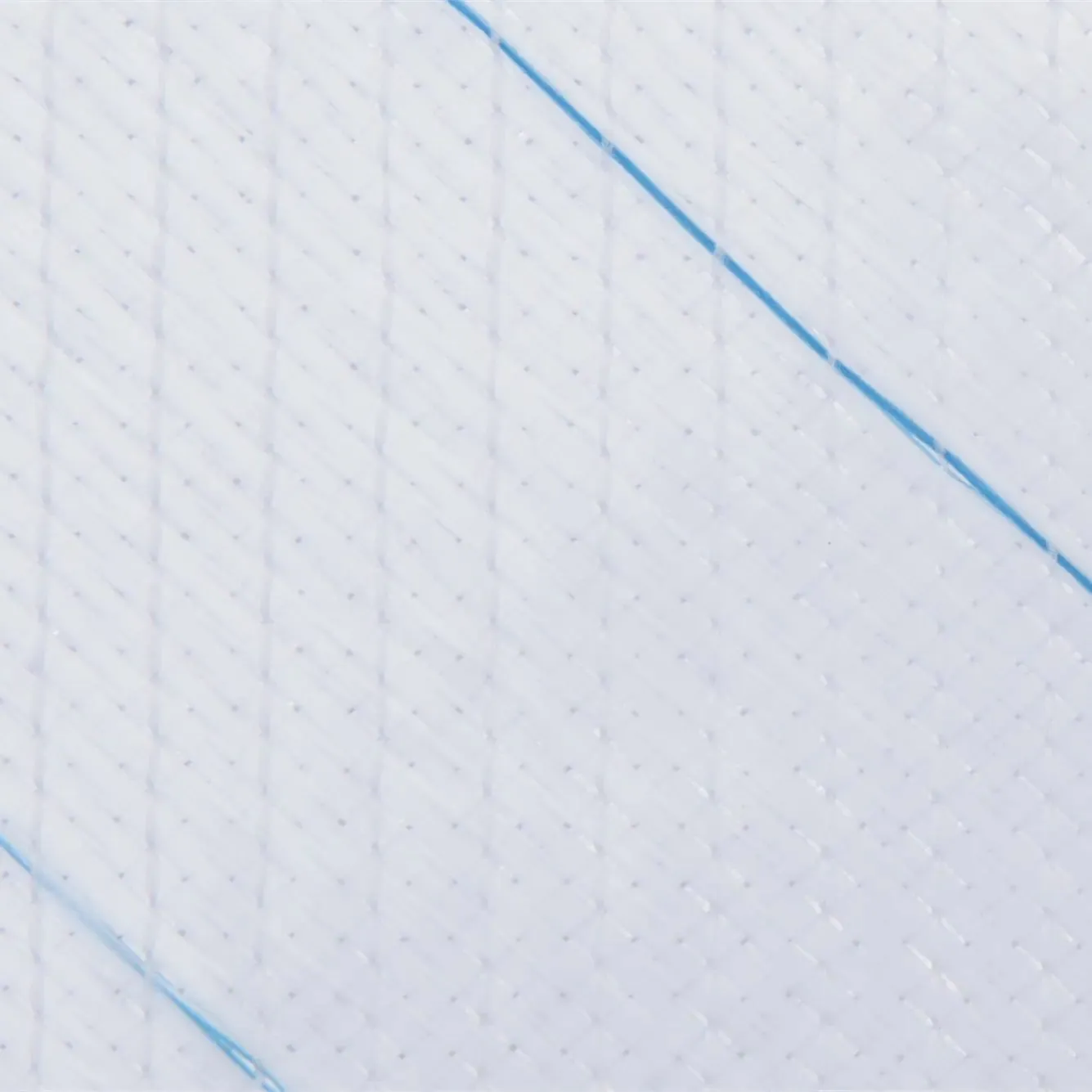
Choose by where the loads in your part run. Put fibers along the main load with a unidirectional fabric, use 0°/90° biaxial for loads along and across the part, use ±45° biaxial for shear and torsion, and use triaxial when you need both in one layer. Stitched fabrics hold straight rovings in place with polyester stitching instead of weaving them[1], and they are binder-free, so they suit a range of resins[2].
What are the options?
| Fabric | Fiber directions | Code family | Weight range (g/m²) |
|---|---|---|---|
| Unidirectional stitched | 0° or 90° | EKUDL / EKUDT | 126 to 1195[3] |
| 0°/90° biaxial | 0° and 90° | EKLT / EKLTM | 409.5 to 1381.5[4] |
| ±45° biaxial | +45° and −45° | EKBX / EKBXM | 172 to 1257.6[5] |
| Triaxial | 0°/+45°/−45° or +45°/90°/−45° | EKTXL / EKTXT | 453.2 to 1358.8[6] |
| Woven roving combo mat | Woven roving + chopped strands | EKWRM | 359.5 to 1762.71[7] |
| Stitched chopped strand mat | Random | EKM | 209.5 to 909.5[8] |
Heaviest listed weight per fabric type
When should I use unidirectional fabric?
Use it for spar caps, stiffeners and any part loaded mostly in one direction. Unidirectional stitched fabric uses twistless rovings laid in the 0° or 90° direction[9]. In the EKUDL 0° range, almost all the glass runs lengthwise; EKUDL800, for example, has 710 g/m² at 0° and 90 g/m² at 90°[10].
When should I use 0°/90° biaxial?
Use it for panels, hulls and flat laminates loaded both along and across. It combines continuous rovings at 0° and 90° in one fabric, with or without a mat layer, for wind blades, marine panels, snowboards and truck and trailer panels[11]. EKLT600 carries 330 g/m² at 0° and 270 g/m² at 90°[12]. The EKLTM versions add a chopped layer, for example EKLTM600/300 with 300 g/m² of chop[13].
When should I use ±45° biaxial?
Use it where the part twists or carries shear, such as the shear webs of a blade, hull frames and tubes. The rovings run at +45° and −45° in equal amounts; EKBX600 has 300.6 g/m² in each direction[14].
When should I use triaxial?
Use it when you want axial and shear reinforcement from one ply and fewer layers to lay up. Triaxial fabric arranges rovings at 0°/+45°/−45° or +45°/90°/−45°[15], and is mainly used in wind blades, shipbuilding and the automotive industry[16].
What about combo mats?
A combo mat bonds woven roving to chopped strands with polyester stitching[17]. It builds thickness and a good bond between layers in one step, which is why it is common in hand lay-up boat building.
What should I send for a quote?
- The code (for example EKLT600 or EKBX450) or the weight per direction.
- Whether you need a chopped mat or veil layer.
- Roll width and length.
- Resin system and process (hand lay-up, infusion, pultrusion).
The minimum order for these fabrics is 100 m²[18]. Send your layup through the quote form, or compare the tables on the 0°/90° biaxial, ±45° biaxial and triaxial pages.
Sources
- Stitch-bonded composite reinforcement combining continuous roving into a single fabric
- Feature: No binder, good compatibility with multi-resin
- EKUDT125: 126 g/m²; EKUDL1200: 1195 g/m²
- EKLT400: 409.5 g/m²; EKLTM3208: 1381.5 g/m²
- EKBX160: 172 g/m²; EKBXM800/450: 1257.6 g/m²
- EKTXL450: 453.2 g/m²; EKTXT1200: 1358.8 g/m²
- EKWRM200/150: 359.5 g/m²; EKWRM2430: 1762.71 g/m²
- EKM200: 209.5 g/m²; EKM900: 909.5 g/m²
- Unidirectional stitched fabric is made of twistless rovings arranged in the 0° or 90° direction
- EKUDL800: 812 g/m² overall, 710 g/m² at 0°, 90 g/m² at 90°
- Continuous roving in the 0°/90° directions, with or without mat; wind blades, marine panels, snowboards, truck and trailer panels
- EKLT600: 330 g/m² at 0°, 270 g/m² at 90°
- EKLTM600/300: chop density 300 g/m²
- EKBX600: +45° 300.6 g/m², −45° 300.6 g/m²
- Twistless rovings arranged in 0°/+45°/−45° or +45°/90°/−45° directions
- Application: wind blades, shipbuilding, automobile industry
- Woven roving and chopped strands bonded with stitch-bonded polyester threads
- MOQ: ≥100 Sqm