Which electronic fiberglass cloth style do I need for PCB laminates: 7628, 2116, 1080 or 106?
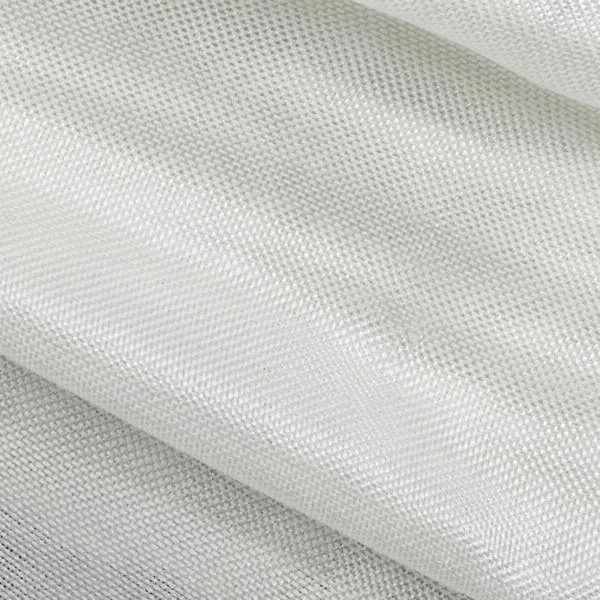
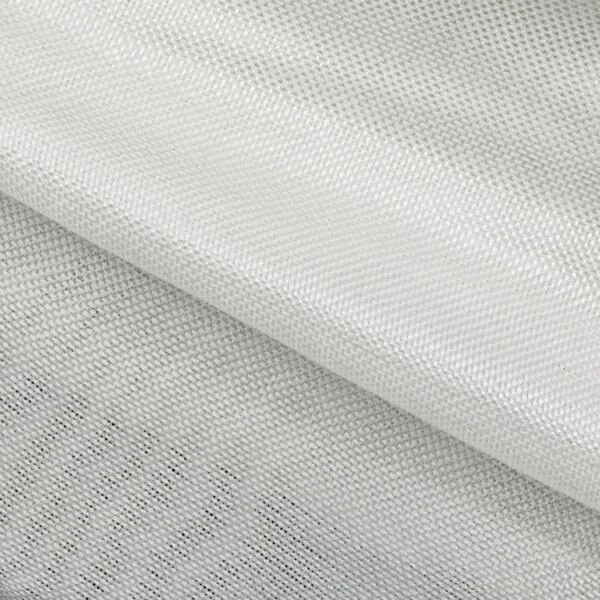
Pick the style by the thickness each ply has to add to the board. 7628 is the heavy, thick style, at 210 g/m² and 0.167 mm[1]. 2116 sits in the middle at 104 g/m² and 0.090 mm[2]. 1080 is light at 48 g/m² and 0.045 mm[3], and 106 is the thinnest at 24.5 g/m² and 0.026 mm[4]. All of them are plain-weave E-glass[5].
How do the common styles compare?
| Style | Yarn (warp/weft) | Ends per inch (warp × weft) | Weight (g/m²) | Thickness (mm) | Tensile, kgf/2.5 cm (warp/weft) |
|---|---|---|---|---|---|
| 7628 | ECG751/0 | 44 × 33 | 210 | 0.167 | > 40 / > 30 |
| 7629 | ECG767/0 | 44 × 31 | 220 | 0.180 | > 40 / > 30 |
| 7627 | ECG751/0 | 44 × 31 | 202 | 0.167 | > 40 / > 30 |
| 7667 | ECG767/0 | 44 × 36 | 234 | 0.185 | > 40 / > 30 |
| 2116 | ECE2251/0 | 60 × 58 | 104 | 0.090 | > 25 / > 20 |
| 2313 | ECE2251/0 / ECD4501/0 | 60 × 64 | 81 | 0.07 | > 20 / > 10 |
| 1080 | ECD4501/0 | 60 × 48 | 48 | 0.045 | > 11 / > 9 |
| 1086 | ECD4501/0 | 60 × 60 | 52 | 0.044 | > 11 / > 11 |
| 106 | ECD9001/0 | 56 × 56 | 24.5 | 0.026 | > 5 / > 5 |
All figures are from the Zbcarbon electronic-grade cloth range[6].
Thickness per ply
When is 7628 the right choice?
Use 7628 where you need to build thickness quickly with few plies, such as the core of standard FR-4 boards. It is the strongest style in the range, with warp tensile above 40 kgf/2.5 cm[1]. 7629, 7627 and 7667 are close relatives with slightly different weight and thread count, so check which one your laminate recipe names before you order[6].
When should I use 2116 or 2313?
2116 is about half the weight of 7628 with a denser 60 × 58 weave[2]. The tighter weave gives a smoother surface and more even resin, which is why it is common on outer layers and in prepregs for multilayer boards. 2313 is lighter again, at 81 g/m²[7].
When do I need 1080, 1086 or 106?
Use the light styles for thin dielectric layers and high-layer-count boards, where each ply has to be as thin as possible. 1080 is 0.045 mm[3] and 1086 is 0.044 mm[8], and 106 is 0.026 mm[4]. They carry much less load, so handle them with care on the treater line.
What else should be on the purchase order?
- The style number and the yarn designation (for example ECG751/0).
- Thread count in ends per inch, warp and weft.
- Weight in g/m² and nominal thickness in mm.
- Warp and weft tensile strength, with the test width.
- Finish (silane coupling agent) to match your resin system.
- Roll width, roll length and packing.
Electronic-grade cloth is made from high-purity E-glass fibers with uniform weaving for stable electrical performance[9]. The minimum order is 100 m²[10]. For insulation wraps and masking, the same 7628 cloth is also supplied with an acrylic or flame-retardant adhesive, rated from −40 °C to +180 °C[11].
Send the styles and quantities through the quote form, or see the full table on the electronic-grade fiberglass cloth page.
Sources
- 7628: Plain, ECG751/0, 44 × 33, 210 g/m², 0.167 mm, > 40 / > 30 kgf/2.5 cm
- 2116: Plain, ECE2251/0, 60 × 58, 104 g/m², 0.090 mm, > 25 / > 20 kgf/2.5 cm
- 1080: Plain, ECD4501/0, 60 × 48, 48 g/m², 0.045 mm
- 106: Plain, ECD9001/0, 56 × 56, 24.5 g/m², 0.026 mm
- Weave: Plain (all styles in the range)
- Product specification table, electronic-grade fiberglass cloth
- 2313: 81 g/m², 0.07 mm
- 1086: 52 g/m², 0.044 mm
- Feature: High purity E-glass fibers for stable electrical performance; uniform weaving
- MOQ: ≥100 Sqm
- Adhesive type: acrylic / solvent-based flame retardant; temperature resistance −40 °C to +180 °C